FDA Approves New Oral GLP-1 as Scrutiny of the Market Intensifies
April 13, 2026By Darya Lucas
On April 1, 2026, the U.S. Food and Drug Administration approved Foundayo (orforglipron), developed by Eli Lilly and Company, for chronic weight management. The product is the second approved oral GLP-1 therapy. Notably, it is a non-peptide, once-daily pill that can be taken without regard to food or water, marking an incremental but meaningful shift for a class long defined by injectables and more restrictive dosing requirements.
The approval reflects FDA’s continued openness to innovation in obesity treatment, including small-molecule alternatives to peptide-based drugs, even as the Agency sharpens its focus on how GLP-1 products and their alternatives are marketed.
Foundayo’s convenience profile will likely feature prominently in promotion. That raises familiar FDA considerations. The Agency has consistently scrutinized ease-of-use claims when they imply improved adherence, clinical benefit, or product superiority without adequate support. As the GLP-1 space becomes more competitive, FDA is likely to look closely at how sponsors position differentiation, particularly in consumer-facing communications.
“FDA continues to support growth and innovation in the GLP-1 category, while at the same time drawing firmer boundaries around promotion and market conduct.”
Darya Lucas, Associate Attorney
Recent enforcement activity reinforces that point. In March 2026, FDA issued 30 warning letters to telehealth companies marketing compounded GLP-1 products, citing claims that those products were equivalent or comparable to FDA-approved drugs, as well as marketing that blurred the line between approved and unapproved therapies. The volume and timing of those letters signal a more coordinated enforcement posture in a rapidly expanding market.
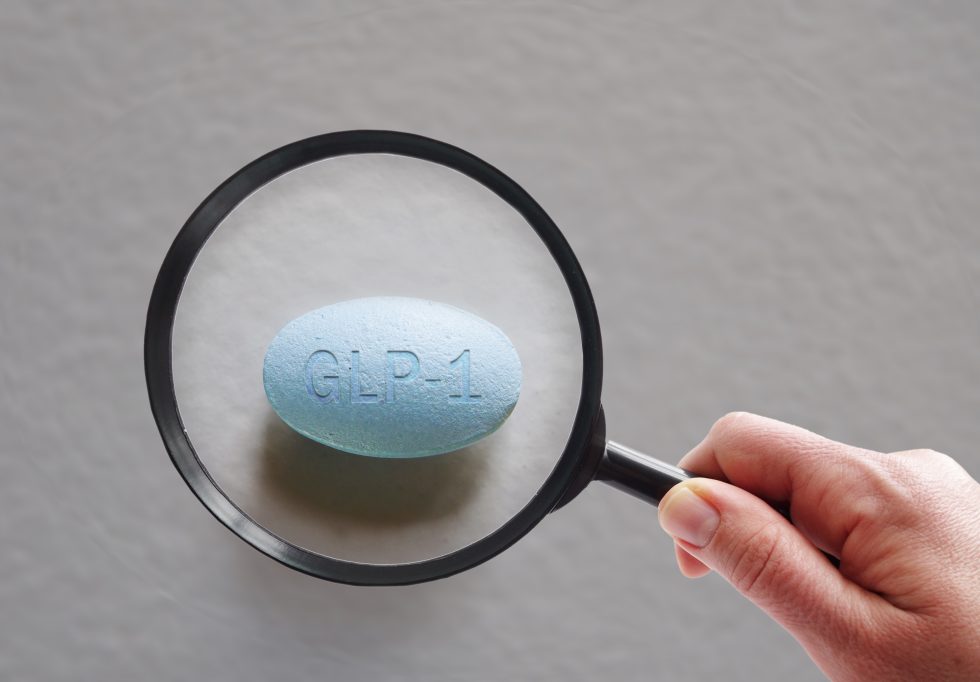
That enforcement backdrop matters here. As additional approved options, particularly more convenient oral therapies, enter the market, FDA may have less tolerance for compounded alternatives marketed at scale. The statutory framework for compounding has always been limited, and as supply and access to approved products evolve, so too does the Agency’s enforcement posture.
Key Takeaways
Taken together, these developments show that FDA continues to support growth and innovation in the GLP-1 category, while at the same time drawing firmer boundaries around promotion and market conduct. For companies operating in this space, the regulatory and commercial implications are coming into sharper focus:
FDA Continues to Support Innovation.
FDA’s approval of Foundayo reflects continued openness to new obesity treatment options, including more convenient oral therapies and small-molecule alternatives to peptide-based products.
Convenience Claims Still Require Support.
As companies emphasize ease of use and product differentiation, FDA is likely to continue scrutinizing claims that suggest better adherence, improved outcomes, or product superiority without adequate substantiation.
Compounded GLP-1 Marketing Remains a Clear Enforcement Priority.
FDA’s recent warning letters reinforce that the Agency is paying close attention to claims that blur the distinction between approved and unapproved products or suggest equivalence to approved therapies.
Commercial Strategy and Compliance Need to Stay Closely Aligned.
As the market expands and approved options increase, companies should expect closer review of promotional messaging, partner relationships, and patient-facing communications.
How Gardner Law Can Help
FDA’s recent warning letters highlight the regulatory risk surrounding compounded GLP-1 products, particularly where promotional claims overstate product status, safety, effectiveness, or comparability to approved therapies.
Gardner Law advises companies on FDA promotional compliance, product communications, and regulatory risk management. We can assist with reviewing marketing materials, evaluating relationships with telehealth and compounding partners, assessing patient-facing disclosures, and strengthening compliance programs to reduce enforcement exposure in this rapidly evolving market.