A Recent Challenge to FDA’s Approach to Dietary Supplements Claims
February 17, 2026On January 21, 2026, a group of dietary supplement companies filed a complaint in the U.S. District Court for the District of Columbia challenging FDA’s denial of over 100 proposed health claims for dietary supplements. The complaint raises fundamental questions about FDA’s approach to evaluating and approving health claims, and it could have implications for how dietary supplement claims are reviewed and regulated going forward.
To understand the significance of the challenge, it is helpful to distinguish among the types of claims that may be made for dietary supplements and the regulatory requirements that apply to each.
Types of Claims for Dietary Supplements
There are three categories of claims that may be used with dietary supplements, each subject to different regulatory requirements:
- Structure/function claims are claims about effects on a structure or function of the human body.
- Health claims are claims about the relationship between a dietary ingredient within a dietary supplement or other food substance and the reduced risk of a disease or a health-related condition.
- Nutrient content claims, which are claims characterizing the level of a nutrient or other dietary ingredient in a dietary supplement.
The current litigation focuses specifically on FDA’s framework for health claims.
Health Claims
A health claim may be explicit or implied, but it “characterizes the relationship of any substance to a disease or health-related condition.” Per 21 CFR 101.14e(1),(2), health claims may be used only if they are of the type explicitly provided for by the FDA and comply with all FDA provisions related to such a claim.[2] These claims are reviewed by the FDA and require scientific evidence. They also:
- Contain elements of a substance and health-related condition;
- Are limited to claims about reducing risk of disease;
- Cannot claim to diagnose, cure, mitigate, or treat disease; and
- Must be reviewed and evaluated by the FDA prior to use.
FDA recognizes two types of health claims, authorized health claims and qualified health claims.
Authorized Health Claims
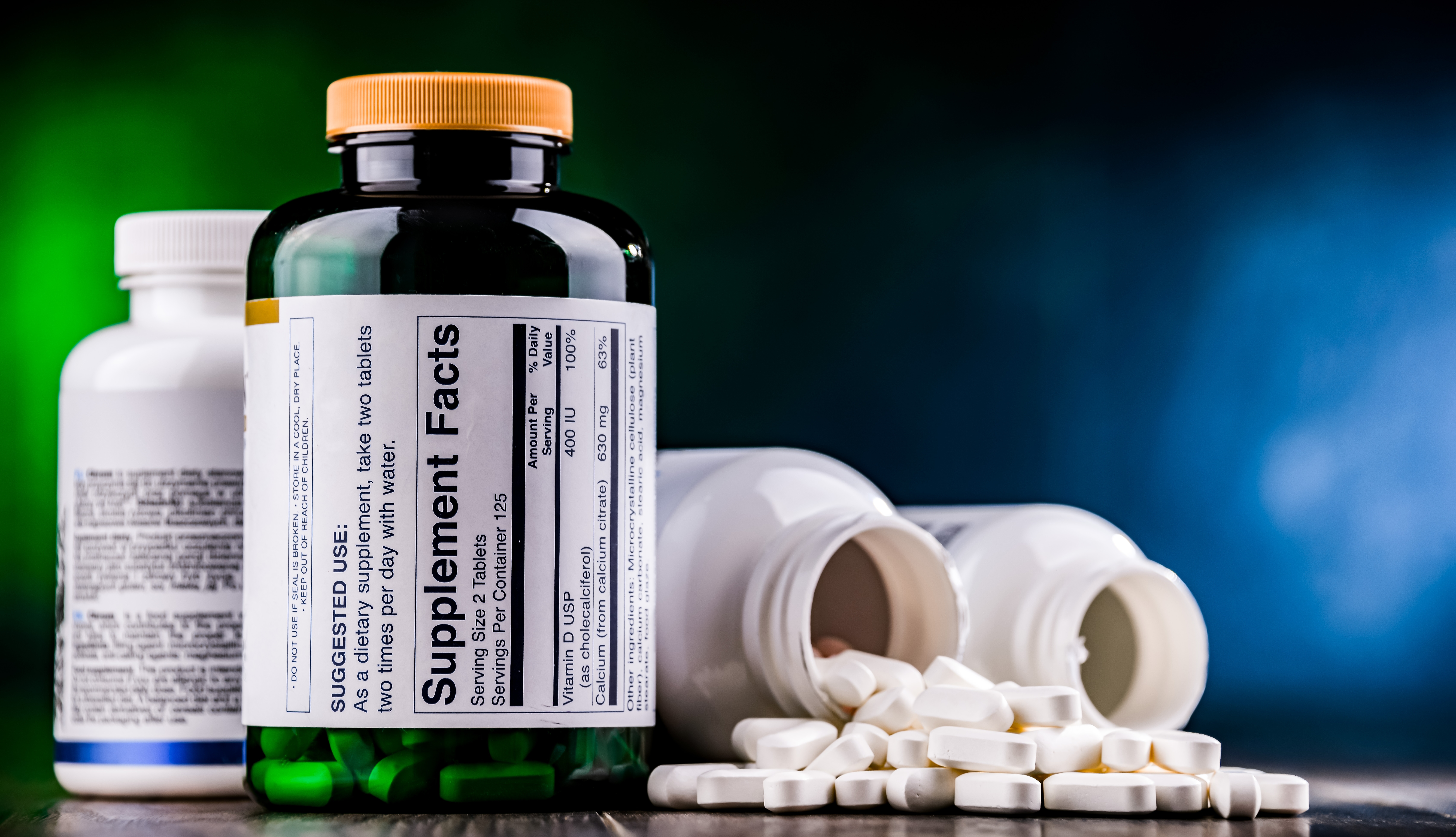
Authorized health claims are claims that have been “reviewed by FDA and are allowed on food products or dietary supplements to show that a food or food component may reduce the risk of a disease or a health-related condition.” In order for the FDA to approve a claim, there must be “significant scientific agreement” among “qualified experts that the claim is supported by the totality of publicly available scientific evidence for a substance/disease relationship.” An example of an authorized health claim is: “Adequate calcium and vitamin D as part of a healthful diet, along with physical activity, may reduce the risk of osteoporosis in later life.” Since 1990, FDA has authorized just 12 health claims.
Qualified Health Claims
Qualified health claims, however, are supported by scientific evidence but do not meet the FDA’s more rigorous “significant scientific agreement” standard. Such claims must be accompanied by a disclaimer or other qualifying language to clearly communicate to consumers the level of scientific evidence supporting the claim.
FDA does not formally approve qualified health claims. Instead, it may issue “Letters of Enforcement Discretion” specifying the claim language and conditions under which FDA does not intend to take enforcement action. These Letters typically address claims related to a variety of conditions such as cancer, diabetes, and others.
An example given by the FDA of a qualified health claim is: “Scientific evidence suggests, but does not prove, that whole grains (three servings or 48 grams per day), as part of a low saturated fat, low cholesterol diet, may reduce the risk of diabetes mellitus type 2.”
Potential Implications of the Court Challenge
Allowing a broader range of health claims could provide several benefits to manufacturers and consumers by expanding the information available about potential product benefits. However, if the threshold for the scientific evidence for health claims is lowered, this increases consumer risk, particularly where claims link dietary supplements to disease or health related conditions without robust scientific support. If consumers rely on unsound claims, they may rely on these supplement products in place of seeing a healthcare provider or seeking proven, safe, and effective therapies.
The outcome of this challenge could therefore influence not only FDA’s evidentiary standards for health claims, but also the balance FDA seeks to strike between market flexibility and consumer protection.
“The challenge goes to the heart of FDA’s health-claim framework, questioning whether the agency’s ‘significant scientific agreement’ standard unlawfully restricts the use of scientific evidence in dietary supplement labeling.”
-- Rebecca Zadaka
How Gardner Law Can Help
Gardner Law advises dietary supplement companies on regulatory strategy, claim substantiation, and FDA compliance. We monitor developments in FDA policy and enforcement and help clients assess how emerging legal challenges may affect product labeling, marketing, and risk management.