RAPID Promises Faster Medicare Coverage, With Limits
September 03, 2026By Mark Gardner, Amanda Johnston, and Nathan Downing
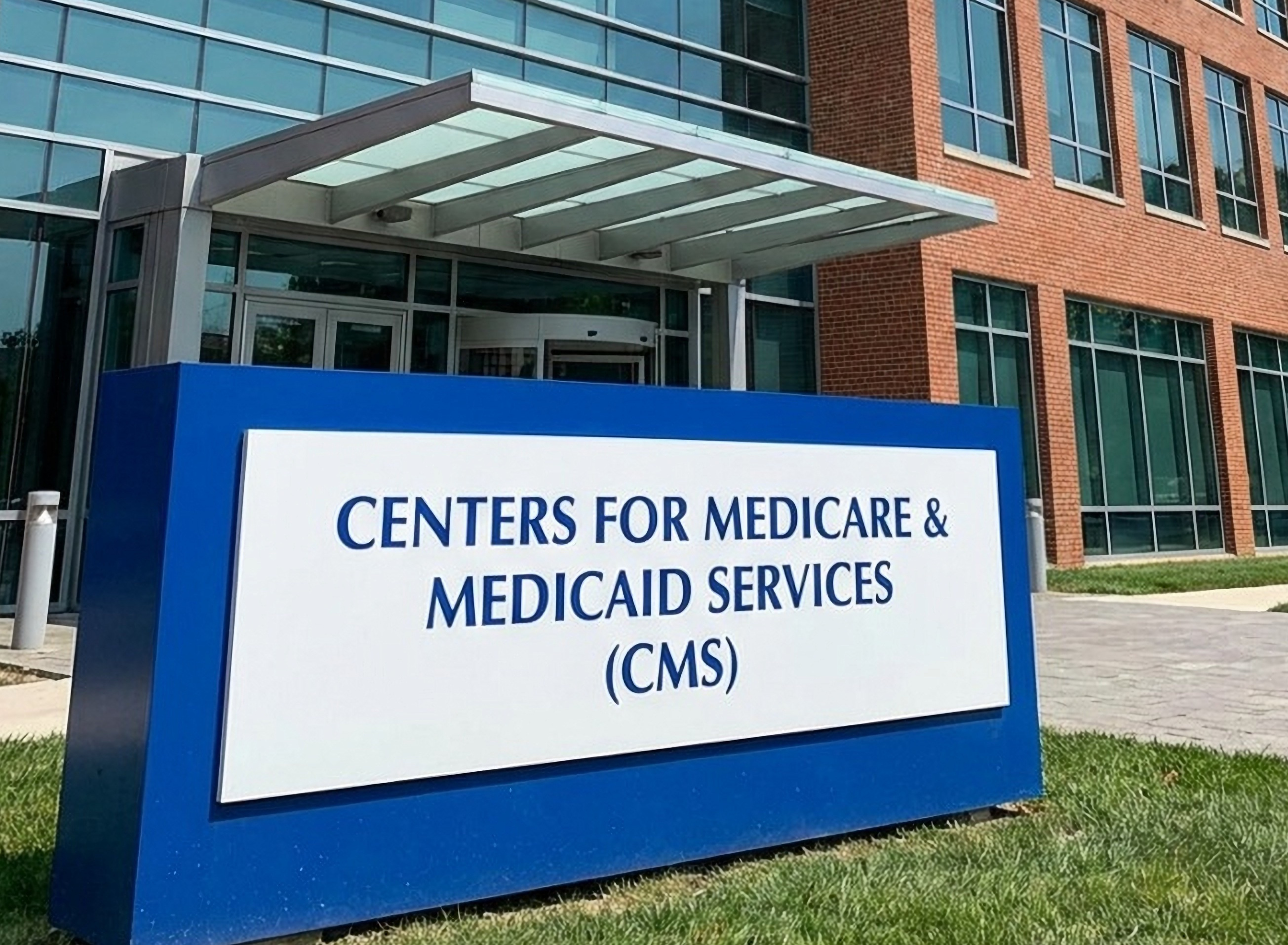
The Centers for Medicare & Medicaid Services (CMS) has now provided the details behind its proposed Regulatory Alignment for Predictable and Immediate Device (RAPID) coverage pathway, an effort designed to bring Medicare coverage planning much earlier into medical device development. The pathway remains proposed. CMS will respond to public comments in a subsequent final notice and has indicated that RAPID is expected to become effective upon publication of that final notice.
For eligible Breakthrough Devices that successfully complete the pathway, CMS proposes to issue a proposed National Coverage Determination (NCD) on the same day the device receives FDA permission to market through approval, clearance, or granting of a De Novo request, with a goal of issuing a final NCD approximately 60 days after authorization for Class II devices and 90 days after authorization for Class III devices.
FDA authorization gets a medical device onto the market, but it does not guarantee Medicare coverage or adequate payment. The gap between FDA authorization and workable Medicare coverage and payment can create a substantial barrier to early adoption, particularly for emerging companies with limited capital.
“RAPID has the potential to be very helpful, but the details matter. Closing the gap between FDA approval and adequate coding, coverage, and payment is something the industry has needed for a long time. My concern is that CMS may have built a pathway that works well for a relatively small group of technologies. We’ll have a much better sense of its real impact once the pathway is finalized.”
Mark Gardner, Founder and Managing Partner
What Does the RAPID Coverage Pathway Do?
RAPID is a voluntary process designed to coordinate FDA regulatory review and CMS coverage planning while an eligible device is still in clinical development. Rather than waiting until after FDA authorization to begin the Medicare NCD process, FDA, CMS, and the manufacturer would address Medicare-relevant clinical outcomes during development of the device’s Investigational Device Exemption (IDE) study.
CMS describes three stages:
- IDE Pre-Submission. The manufacturer expresses interest in RAPID before the IDE Pre-Submission process. FDA evaluates initial eligibility, consults with CMS, and the agencies provide feedback regarding the planned clinical study and Medicare-relevant health outcomes.
- Formal IDE Submission to FDA and CMS. If an IDE application is required, FDA reviews the IDE under its normal process and shares its decisions and any study design considerations with CMS. After any required study design considerations are addressed and FDA approves a revised protocol, if necessary, the manufacturer submits the IDE protocol to CMS for review under CMS’s existing IDE process.
- Transition From IDE to Coverage. After the study is completed, an eligible device that receives FDA market authorization and demonstrates the required improvement in clinical health outcomes and for which the manufacturer submits a formal NCD request can move immediately into the accelerated NCD process.
CMS would post the proposed NCD when FDA authorizes the device, followed by a 30-day public comment period. RAPID national coverage would be limited to the FDA-authorized indication(s) for the device.
Which Devices Are Eligible for RAPID?
RAPID is not available to all Breakthrough Devices. Under the proposed RAPID pathway, eligible devices generally must satisfy several requirements, including:
- Have FDA Breakthrough Device designation.
- For presumptive Class II devices, participate in FDA’s Total Product Life Cycle Advisory Program (TAP) and plan to pursue a De Novo authorization pathway.
- For Class III devices, plan to pursue a premarket approval application, regardless of TAP participation.
- Be at the IDE Pre-Submission stage, rather than already conducting the IDE study or already having reached the market.
- Plan an IDE study that enrolls Medicare beneficiaries and evaluates clinical outcomes that FDA and CMS agree are appropriate for assessing benefits to the Medicare population.
- Be a separately payable device that can, if approved, be billed to Medicare and not already subject to a controlling NCD.
- Based on available information, not clearly fall outside a Medicare benefit category and not otherwise be excluded from Medicare coverage by law or regulation.
The proposed pathway does not expressly address whether RAPID participation is limited to significant-risk (“SR”) IDE studies. Although CMS states that a manufacturer will submit an IDE application to FDA “if applicable,” the proposed process otherwise relies on FDA and CMS IDE-review steps that do not map directly onto non-significant-risk (“NSR”) studies conducted under FDA’s abbreviated IDE requirements. Manufacturers anticipating an NSR study should clarify eligibility and process with FDA and CMS early in development.
CMS also states that in vitro diagnostic products will not be accepted into RAPID and generally should continue through existing Medicare Administrative Contractor coverage pathways. CMS provides a limited avenue for certain 510(k) devices whose primary predicate was authorized no earlier than 18 months before the device’s acceptance into RAPID through the De Novo pathway.
These restrictions mean that the name “RAPID” should not be mistaken for a generally available fast track for Medicare coverage. For companies approaching IDE Pre-Submission, that makes RAPID a pathway that should be evaluated now, not after the clinical strategy is already set.
“The opportunity is attractive, but companies need to look carefully at what participation requires. Bringing CMS into the clinical-development process early may produce a stronger evidence package for coverage, but it can also affect study design, patient population, endpoints, cost, and timing. Those issues should be evaluated before a company commits to the pathway.”
Amanda Johnston, Partner
RAPID Does Not Replace NTAP or Payment Planning
RAPID also should not be viewed as a replacement for the New Technology Add-on Payment (NTAP) pathway. The two programs address different problems. RAPID concerns Medicare coverage through the NCD process. NTAP concerns additional Medicare inpatient payment for qualifying new technologies. A favorable coverage determination therefore does not, by itself, resolve coding or payment issues that can affect whether hospitals and other providers can economically adopt a new technology.
That distinction is especially important following CMS’s recent changes to the alternative NTAP pathway for Breakthrough Devices. As Gardner Law previously reported, CMS finalized the phaseout of the alternative NTAP and Transitional Pass-Through (TPT) payment pathways while preserving limited transition relief for devices that receive Breakthrough Device designation by September 30, 2026. For alternative NTAP, qualifying devices may remain eligible to apply under the alternative pathway for FY 2028 and FY 2029 if FDA marketing authorization for the indication covered by the designation occurs no later than May 1, 2028. For TPT, qualifying devices remain eligible to apply under the alternative pathway for CY 2028 and CY 2029, while existing approvals continue for their current duration.
Why RAPID Requires Earlier Evidence Planning
RAPID changes when reimbursement strategy begins. Companies have often treated FDA authorization and reimbursement as sequential workstreams, but RAPID would bring CMS into the process while the pivotal clinical study is still being designed.
FDA and CMS operate under different statutory standards and answer different questions. A study sufficient to establish safety and effectiveness for FDA purposes will not necessarily demonstrate that a technology improves health outcomes in the Medicare population. Under RAPID, those differing expectations would be addressed before the IDE study begins, with CMS reviewing the planned study against its Medicare IDE coverage criteria as part of the pathway. While this creates more certainty, it can certainly add to the resources required to bring a product to trial if Medicare beneficiary enrollment or CMS-relevant outcome requirements expand the planned study.
“For emerging device companies, predictability can be as important as speed. Faster coverage after authorization is valuable, but that benefit may be difficult to realize if the required study becomes substantially larger or more expensive than the company anticipated. Manufacturers need to understand the FDA and CMS evidence expectations early enough to build them into the regulatory and development plan.”
Nathan Downing, Managing Attorney
CMS’s decision to pause the Transitional Coverage for Emerging Technologies (TCET) pathway for new candidates while it focuses on RAPID makes these eligibility and planning questions even more important for companies developing Breakthrough Devices.
What Should Medical Device Companies Do Now?
Companies developing technologies that may qualify for Breakthrough Device designation should evaluate RAPID before their clinical-development strategy is fixed. That analysis should include:
- Determine RAPID eligibility early. A company that waits until its IDE study is underway may already be too far along for the proposed pathway.
- Evaluate the reimbursement strategy alongside the FDA pathway. Consider RAPID, NTAP, TPT, coding, local coverage, and other payment mechanisms as separate but interconnected workstreams.
- Stress-test the clinical evidence plan. Assess whether Medicare beneficiary enrollment and CMS-relevant clinical outcomes can realistically be incorporated into the proposed study.
- Model the cost of participation. Evaluate whether additional endpoints, enrollment requirements, study duration, or postmarket evidence obligations could materially change financing needs.
- Preserve optionality. RAPID is voluntary, and alternative NCD, local coverage, and other Medicare coverage mechanisms remain available for technologies that do not qualify or for which RAPID does not make business sense.
- Consider submitting comments. CMS is accepting public comments on the proposed RAPID pathway through October 13, 2026, including comments concerning eligibility and treatment of devices that have already moved beyond IDE Pre-Submission.
How Gardner Law Can Help
Gardner Law advises medical device companies on FDA regulatory strategy, Breakthrough Device designation, TAP participation, clinical evidence development, Medicare coverage and reimbursement, NTAP and TPT eligibility, and commercialization planning.
Companies considering RAPID should evaluate eligibility before their IDE strategy is fixed. We can assess whether RAPID fits a device’s regulatory and reimbursement strategy, evaluate FDA and CMS evidence expectations, coordinate Breakthrough, TAP, IDE, coding, coverage, and payment planning, model development and financing implications, and prepare comments on the proposed pathway.
If your device is approaching IDE Pre-Submission, may qualify for RAPID, or may be affected by the NTAP/TPT transition deadlines, contact us now. We can help determine which pathways are available and coordinate the FDA, CMS, coding, coverage, and payment strategy before key decisions narrow your options.